
10 Lessons - Part 1 - Paperwork
Hi, I'm Marie and I'm a Construction Project Manager by profession, and in this 10 part article series, I will share with you the 10 things I have learnt about property development, while navigating the construction of buildings in the South African climate, and that have helped to make my property development journey easier, and hopefully yours too.
I've been involved in the construction industry for the last 10 years and a property investor for 4 years, but I still consider myself to be learning the ropes, as there are always things that can catch you out. So, if your building project or development is big or small, the principles set out here are similar for their execution.
Before we get started, in these articles we're not talking about how to invest in property or how to find a good deal. We're talking about the things that can, and all too often do, catch us out on a building or development project, and all the wonderful things that happen when you've all but signed on the Offer To Purchase dotted line, and you are itching to start building your dreams.
Let's get started!
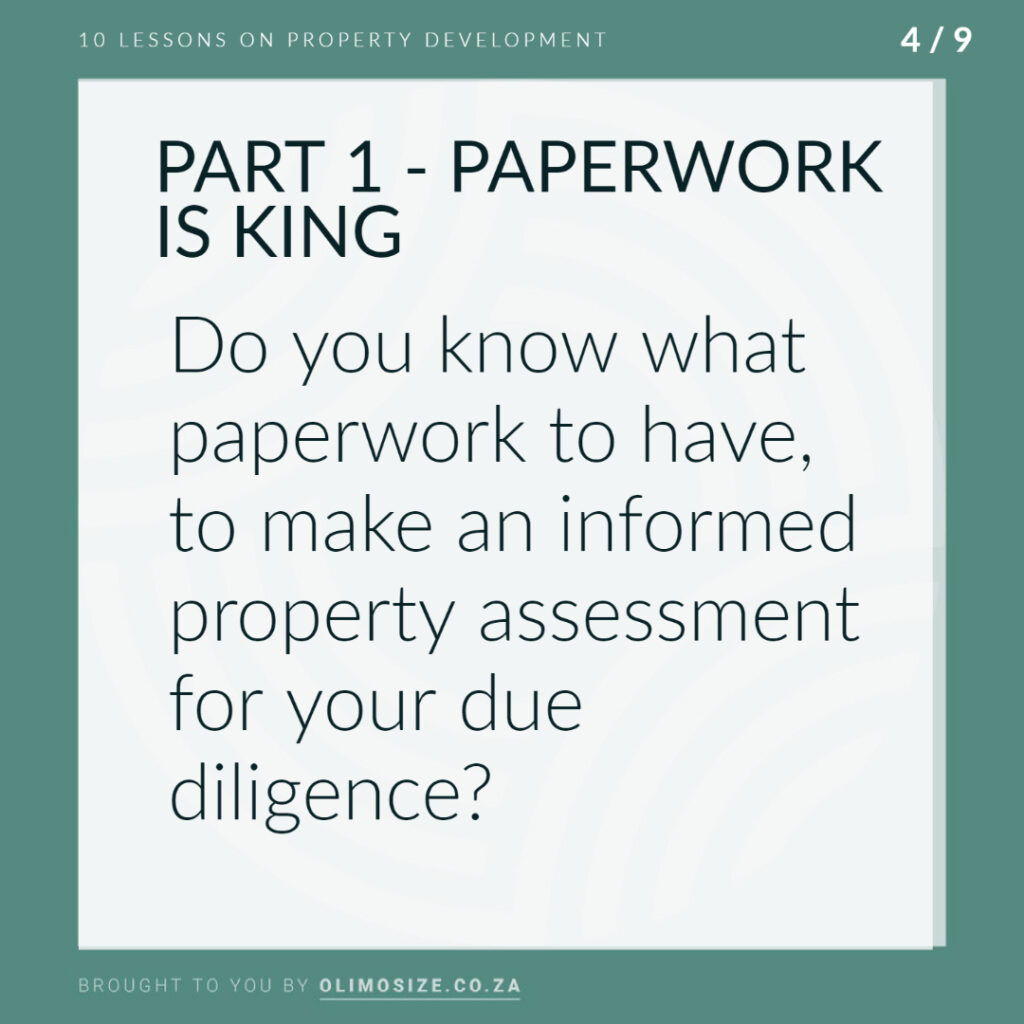
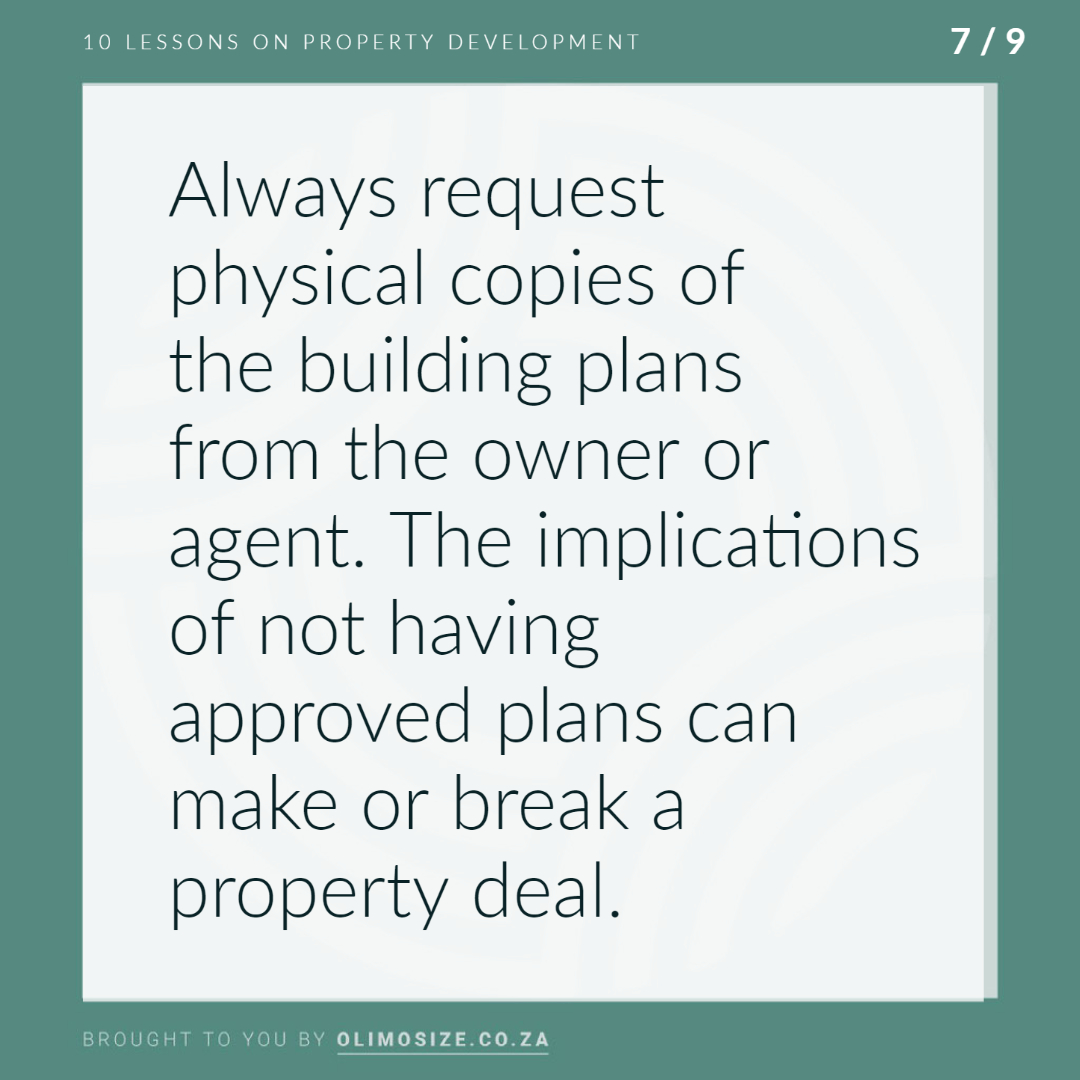
Part of any good property investment is doing your due diligence, and that entails finding out everything that you can about the property you want to buy. When you are looking to further develop the property by adding buildings or structures, you need to know what has been done there before, and what you are allowed to do now. Always ask for copies of the approved council building plans from the agent / owner. These plans will tell you if the buildings were correctly and legally built to begin with, and you will need them if you want to submit new building plans for any alterations you want to do.
Another handy piece of paperwork to have is the Zoning certificate for the property. This certificate will tell you to what height you can build on the property, how much of the ground can be built on, the types of buildings allowed, the maximum size of the building that is allowed and any other restrictions that there may be on the property.
The property you are interested in buying is in a prime location, a great plot of land with a 3 bed house, and some townhouse units on it, and space for a few more. You are banking on this being an investment that will be able to earn you income fast, its perfect. You've got the existing building plans and your dreams are alive. Emotions run high, it’s the best deal! You sign on the dotted line. No suspensive clauses, and you are locked in. You start to look at the development and are advised that the plan copies that you have are in fact not approved, and an entire set of building plans would need to be submitted for your new townhouse units and the ones that were already there! But the implications of this don't stop there, if there are no approved building plans, how do you know that the buildings were in fact built to any kind of regulatory or engineering check? That they are approved in terms of the city land use scheme? How do you know they are safe to live in? Implications of these items would require specialist studies to be done to check, and will cost a lot of money to resolve.
There you have it, part 1 of the 10 lessons I have learnt about developing property through being a project manager. I hope that you have gained some insight from this article that will help you to make more informed decisions on your next building project.
Be sure and keep an eye out for my next articles on the remaining lessons, and leave a comment with any questions or topics you would most like to hear about next. You can also sign up to our mailing list and receive our articles direct in your inbox so you never have to miss an issue.